
Safety
Fall Prevention Tips for Seniors Living at Home
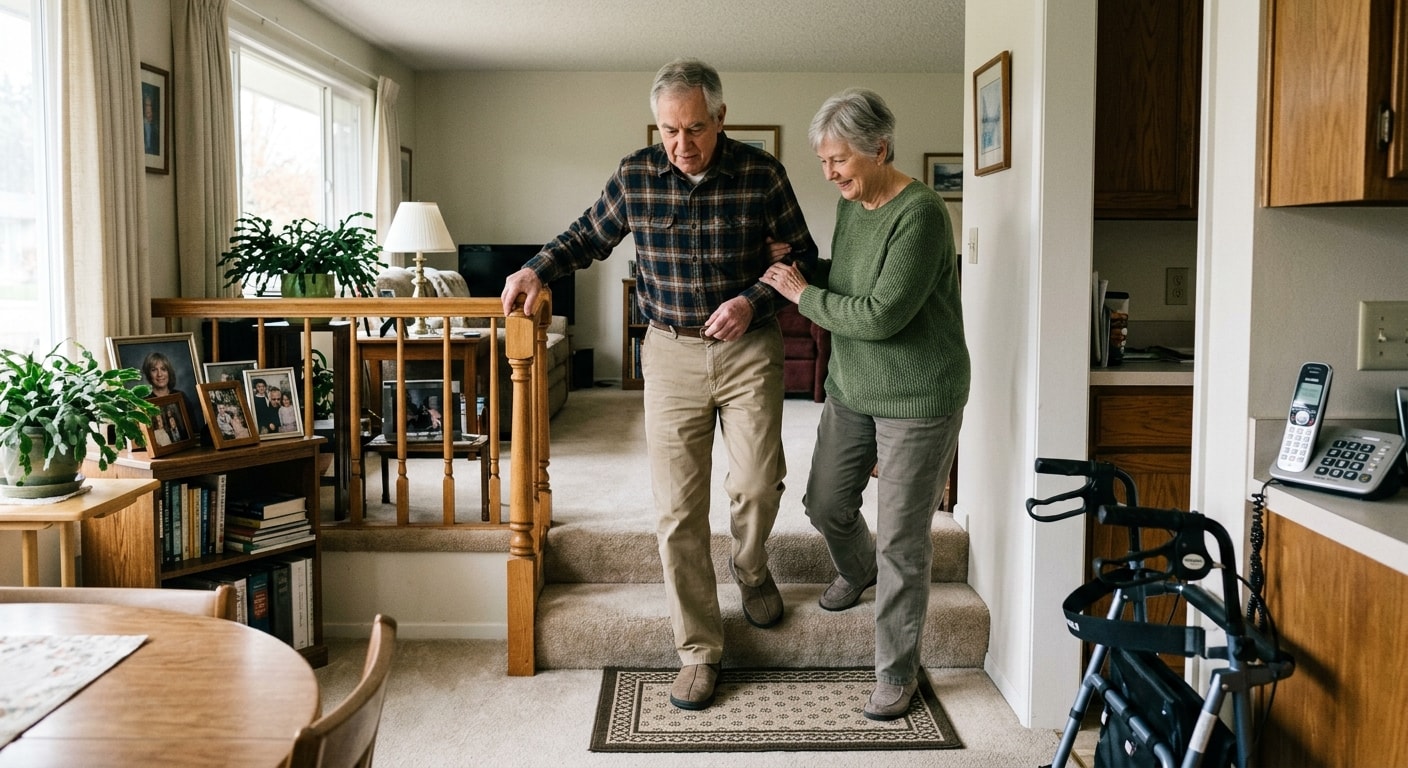
Falls are the leading cause of injury and injury-related death, among adults 65 and older. According to the CDC, one in four older adults falls each year, and many of those falls happen at home. The good news is that most falls are preventable with the right precautions.
Remove tripping hazards
Walk through your loved one's home and look for anything that could catch a foot: loose rugs, electrical cords crossing walkways, clutter on the floor, or uneven thresholds between rooms. Remove or secure anything that poses a risk. Non-slip mats in the bathroom and kitchen are a simple, effective fix.
Improve lighting throughout the home
Poor lighting is a major fall risk, especially at night. Make sure hallways, stairways, and bathrooms are well lit. Consider motion-activated nightlights for the path between the bedroom and bathroom. Keep a lamp or flashlight within easy reach of the bed.
Install grab bars and handrails
Grab bars in the shower and next to the toilet provide critical support. Handrails on both sides of staircases, not just one, make a significant difference. These are relatively inexpensive modifications that can prevent serious injury.
Review medications with a doctor
Some medications — including blood pressure drugs, sleep aids, and certain antidepressants — can cause dizziness or affect balance. Ask your loved one's doctor to review their medications and identify any that may increase fall risk. Never stop a medication without medical guidance, but it's worth the conversation.
Encourage regular exercise
Strength and balance exercises, even gentle ones like tai chi or chair yoga, can significantly reduce fall risk. Physical therapy can also help if your loved one has already had a fall or has mobility concerns. Movement is medicine.
Consider a personal emergency response system
Wearable alert devices allow seniors to call for help immediately if they fall and can't get up. For seniors who live alone, this can be life-saving. Many options are available at a range of price points.
How a caregiver can help
A professional caregiver provides hands-on support with mobility, helping with transfers, walking, and navigating stairs, while also keeping a watchful eye on safety throughout the day.
Contact Rapha Homecare Contact Rapha Homecare to learn how our caregivers can help keep your loved one safe at home.